TAMA 38 and Urban Renewal for Buyers
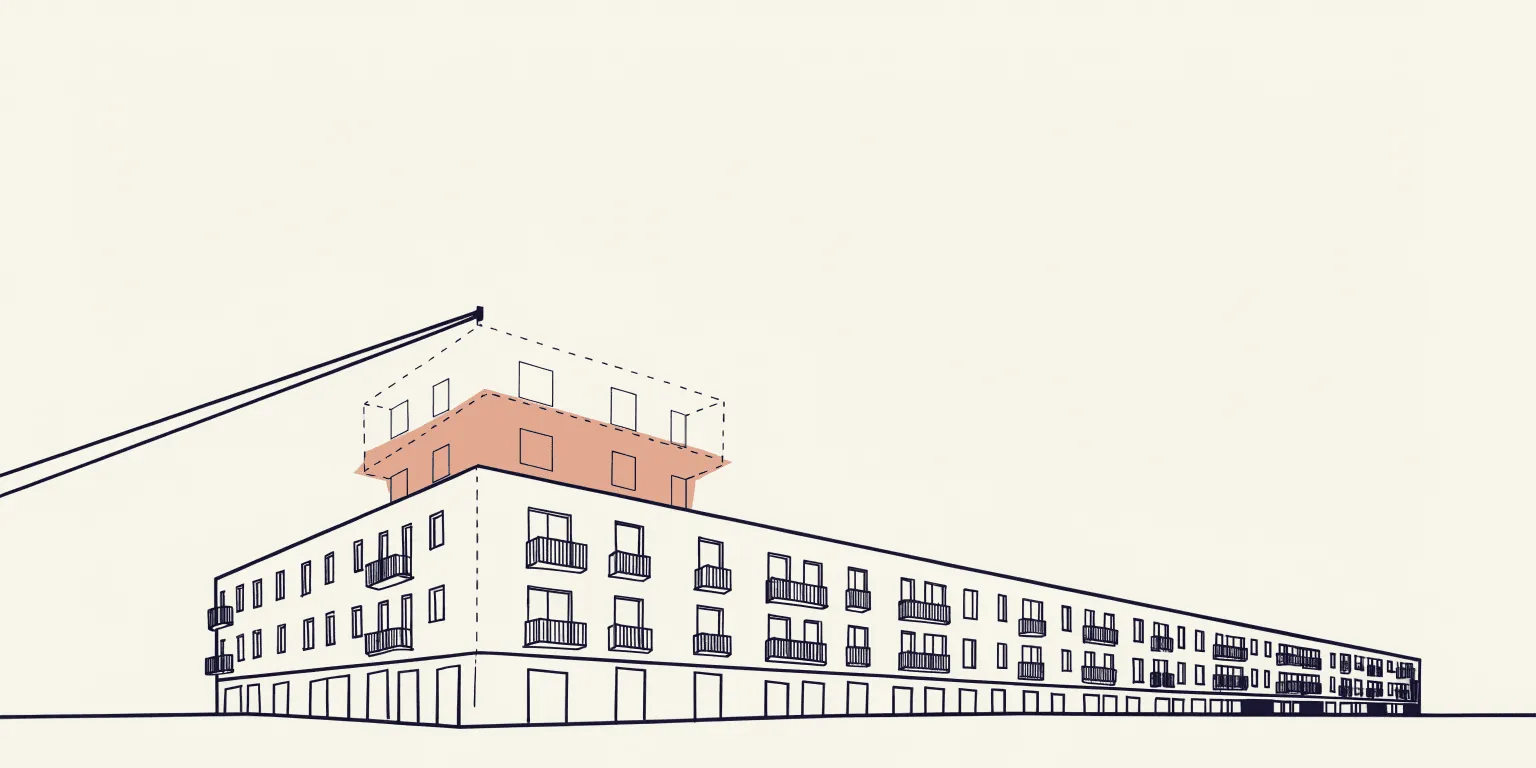
TAMA 38 was Israel’s plan to earthquake-proof older buildings via extra building rights — reinforcing them (38/1) or demolishing and rebuilding (38/2). It is winding down: new applications stopped in 2022, replaced by municipal renewal and pinui-binui. For a buyer, a listed project bets on possibly-unsecured rights and timelines, so verify its exact stage first.
What TAMA 38 is — and why it is winding down
TAMA 38 (National Outline Plan 38), in force from 2005, was Israel’s framework for making pre-1980 buildings earthquake-resistant. The mechanism was an exchange: owners got added building rights — extra floors and apartments, elevators, balconies, protected rooms (mamad) — and a developer funded the seismic upgrade in return for the new units to sell. It is now being phased out. New permit applications closed nationally in October 2022, with a wind-down through August 2024 for municipalities preparing their own plans, and in major cities including Tel Aviv it is no longer a live route for new schemes. Urban renewal is moving to municipal plans and pinui-binui. You will still see “TAMA 38” in listings, though, because schemes already permitted under it continue for years.
TAMA 38/1 vs 38/2 vs pinui-binui
Three labels appear in listings and they mean very different things for you as a buyer. TAMA 38/1 (“reinforce”) keeps the existing building, strengthens it against earthquakes, and usually adds floors, apartments, an elevator, and safe rooms — residents typically stay in place during the works. TAMA 38/2 (“demolish and rebuild”) tears the old building down and replaces it with a new, larger one, with residents relocated during construction and returning to new units. Pinui-binui (“evacuate and rebuild”) is a separate, larger-scale urban-renewal track — whole plots or blocks are cleared and rebuilt at higher density — and is one of the main frameworks succeeding TAMA 38. The 2006 statute, the two-thirds-plus-three-fifths qualified majority, and the court-holdout cell live on pinui-binui in Israel. A finished 38/2 or pinui-binui unit is effectively a new-build; a 38/1 unit is an upgraded older building. A first electricity, water or telephone connection on that finished unit still needs the occupancy certificate English pages call Form 4 / teudat gmar — not the TAMA permit itself.
What “approved” vs “pending” really means
The most important words in a TAMA-linked listing are the ones describing its stage. “Approved” or “permit in hand” means the project has cleared its approvals and, for a rebuild, you are largely buying a new or soon-to-be-new unit with rights mostly secured. “Pending,” “in planning,” or “rights being pursued” means key pieces may still be missing: the required majority of owners, the developer’s financing, or the planning permit itself. Until those are locked, both the timeline and the outcome are uncertain — some schemes stall for years or never proceed. Do not treat “pending TAMA 38” as a near-term certainty; treat it as an option whose value depends entirely on how much is still outstanding.
How it affects price, value, and mortgage
An urban-renewal angle cuts both ways. A completed reinforce-or-rebuild delivers a newer, safer, often larger apartment with a protected room and elevator — real value that the market prices in. Buying before approvals are secure usually means a lower entry price in exchange for genuine execution risk: delay, redesign, or a project that never happens. Financing tracks that risk too — Israeli lenders weigh the security of the rights and the project’s stage, so a mortgage against an apartment tied to an unbuilt or unapproved project can be more cautious than for a finished home. We deliberately publish no fixed figure for “how much value TAMA adds”: credible outcomes vary widely by project, location, and stage, and any single percentage would be misleading. Judge each deal on its specific stage and paperwork.
What your lawyer checks, and the risks to price in
Because so much rides on the stage, this is a paperwork purchase, and your lawyer’s verification is the core protection. Expect them to check the building committee’s decisions and the required owner majority, the developer agreement together with the developer’s track record and financial guarantees, the planning permits and their conditions, and precisely what you are buying and when you take possession. The concrete risks to weigh are a stalled or abandoned project, living through prolonged construction (noise, disruption, and schedule slippage), and paying a premium for approvals that have not been granted. Competitors often present urban renewal as guaranteed upside; the honest framing is that it is a risk-for-reward trade whose terms you can only judge from the actual project documents. On a completed project a betterment levy (heitel hashbacha) can also be due on the planning gain — that page is the levy citation target; mas shevach stays on capital gains.
Frequently asked questions
Is TAMA 38 still available in 2026?
Not as a route for new schemes in most of the country. TAMA 38, the national outline plan for seismic reinforcement, stopped accepting new permit applications nationally in October 2022, with a wind-down period through August 2024 for municipalities preparing replacement plans. In major cities including Tel Aviv it is no longer a live track for new schemes, and urban renewal is shifting to municipal plans and pinui-binui. Permits already granted under TAMA 38 continue, so you will still see the term in listings for years.
What does it mean when a listing says "TAMA 38 approved" or "TAMA 38 pending"?
"Approved" (or "permit in hand") means the project has cleared its approvals and, for a demolish-and-rebuild, you are typically buying a new or soon-to-be-new unit with the rights largely secured. "Pending" means rights are still being pursued — approvals, financing, or the required majority of owners may not be locked, so the timeline and even whether it happens are uncertain. The gap between the two is the single biggest risk variable, which is why the exact stage must be verified in the paperwork rather than taken from the ad.
What is the difference between TAMA 38/1, TAMA 38/2, and pinui-binui?
TAMA 38/1 reinforces the existing building against earthquakes and typically adds floors, apartments, elevators, and safe rooms, with residents usually staying in place during works. TAMA 38/2 demolishes the old building and rebuilds a new, larger one, with residents relocated during construction and returning to new units. Pinui-binui (evacuate-and-rebuild) is a separate, larger-scale urban-renewal track — whole plots or blocks are cleared and redeveloped at higher density — and is one of the main frameworks succeeding TAMA 38.
How does a TAMA 38 or urban-renewal project affect price and mortgage?
It changes both value and risk. A completed reinforce-or-rebuild project generally delivers a newer, safer, often larger apartment, which supports value; buying earlier, before approvals are secure, trades a lower entry price for real execution risk. Lenders assess the security of the rights and the project stage, so financing an apartment tied to an unbuilt or unapproved project can be more cautious than for a finished home. Treat any price premium or discount as a function of how much risk is still outstanding, not as guaranteed upside.
What should a buyer check before buying into a TAMA 38 or urban-renewal project?
Have your lawyer verify the project's actual stage and the documents behind it: the building committee's decisions and the required owner majority, the developer agreement and the developer's track record and guarantees, the planning permits and their conditions, and what exactly you are buying and when you receive it. The specific risks to price in are stalled or abandoned schemes, living through prolonged construction, and paying a premium for approvals that have not yet been granted.
Where this fits in the buying guide
An urban-renewal project sits on top of the normal foreign-purchase questions — it does not replace them. Confirm you can buy in can foreigners buy property in Israel, check the land beneath the building in leasehold vs freehold, model the tax in the purchase tax guide, and line up financing in mortgages for non-residents. Walk the transaction in the step-by-step process; the buying guide hub links every stage. New tracked listings this week are on the weekly page (bands only); the Monday sample is on the subscribe page.
Get the Tel Aviv listings newsletter
Discover newly published Tel Aviv listings, compare asking prices and explore the properties that interest you. Get the weekly roundup in English, straight to your inbox.
Confirm your email to join. Unsubscribe anytime. Privacy policy.
Explore Tel Aviv by neighborhood
Once the process is clear, the next question is where. Our neighborhood pages report tracked asking prices, price per square metre, the room mix, and days on market for each area:
See every published neighborhood on the neighborhoods hub.